Level design through props
Tell the player what happened by showing what was left behind.
Environmental storytelling works when props, lighting, wear, and spatial relationships form a readable clue. The goal is inference, not decoration.
A story prop is useful because of what it implies, not because it has a paragraph attached to it.
Unity’s own level-design material describes environmental storytelling as using the environment to communicate what is happening through implicit clues rather than explicit exposition. The useful question is not “what objects can I place?” It is “what can the player reasonably infer from this arrangement?”
That pushes set dressing toward cause and effect instead of random richness.
Narrative set dressing
Build one readable clue at a time
A small scene can suggest a bigger story when every prop in the cluster supports the same inference.
Choose the event or routine
Decide what happened here or what normally happens here: a rushed meal, late-night work, abandoned repair, recent celebration, or interrupted task.
Place the strongest evidence first
Use the object that carries the clearest implication, such as an unfinished drink, dropped tool, open storage area, or damaged work surface.
Add two or three supporting clues
Nearby props should strengthen the same reading rather than introduce a second unrelated story.
Use contrast to make the clue visible
A messy table is clearer inside an otherwise ordered room. A lit workstation matters more when the rest of the shop is dim.
Stop before the answer becomes literal
Leave room for the player to connect the pieces. Too many labels, notes, or perfectly staged props can remove the satisfaction of inference.
Social spaces
A used table can say more than another decorative wall object
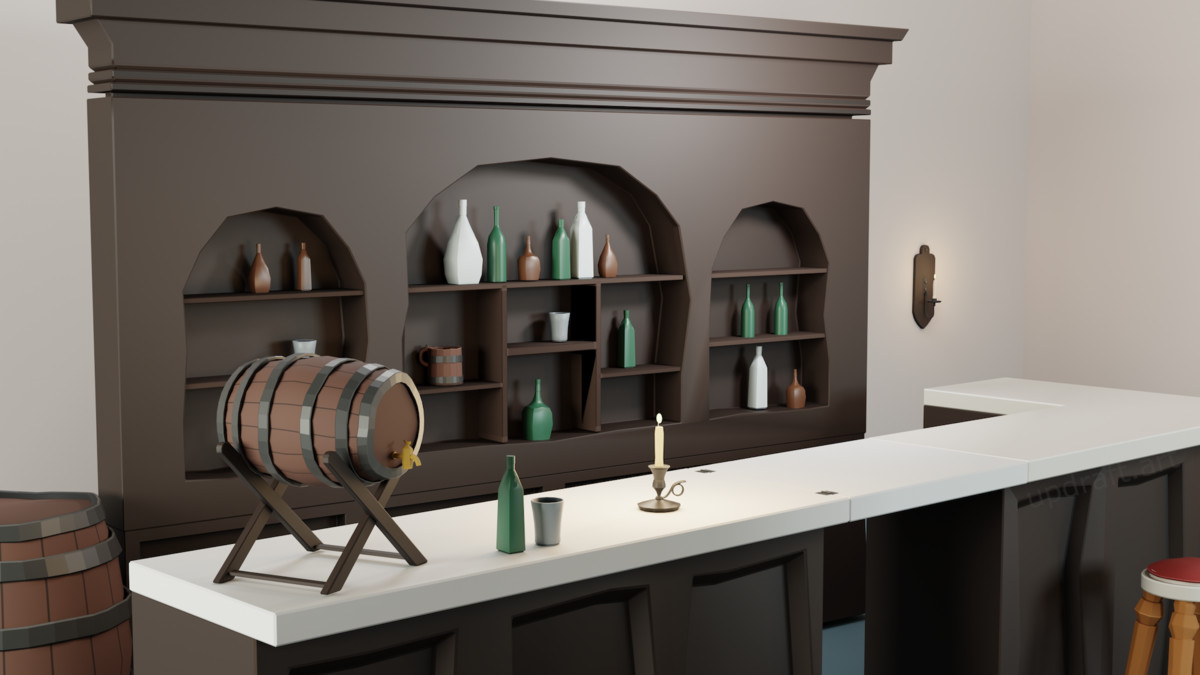
Build a cluster around one action. A half-cleared table, extra stool, low candle, and abandoned mug can imply a late conversation. The same objects spread evenly around the room become generic tavern dressing.
Mugs, bottles, candles, and furniture become narrative when their arrangement implies who occupied the space and what they were doing.
Workspaces
Tools become evidence when they sit inside a believable process
Workshop storytelling is especially strong because tasks naturally have stages. Show material arriving, being processed, then leaving as a finished or unfinished object. The player reads the workflow even without interacting with it.
An anvil, hammer, grindstone, and nearby storage create a chain of work the player can reconstruct.
Quiet routine
Domestic spaces can tell smaller stories through care and neglect
Not every environmental story needs danger or disaster. Repeated routines, hobbies, jobs, and domestic habits make a world feel occupied. These quieter clues are useful around RPG hubs and cozy games where the environment needs personality without constant exposition.
Watering tools, seed trays, pots, and a lantern can imply regular care, recent work, or a space that has been left unattended.
Story vocabulary
Use prop sets that already describe a specific kind of activity
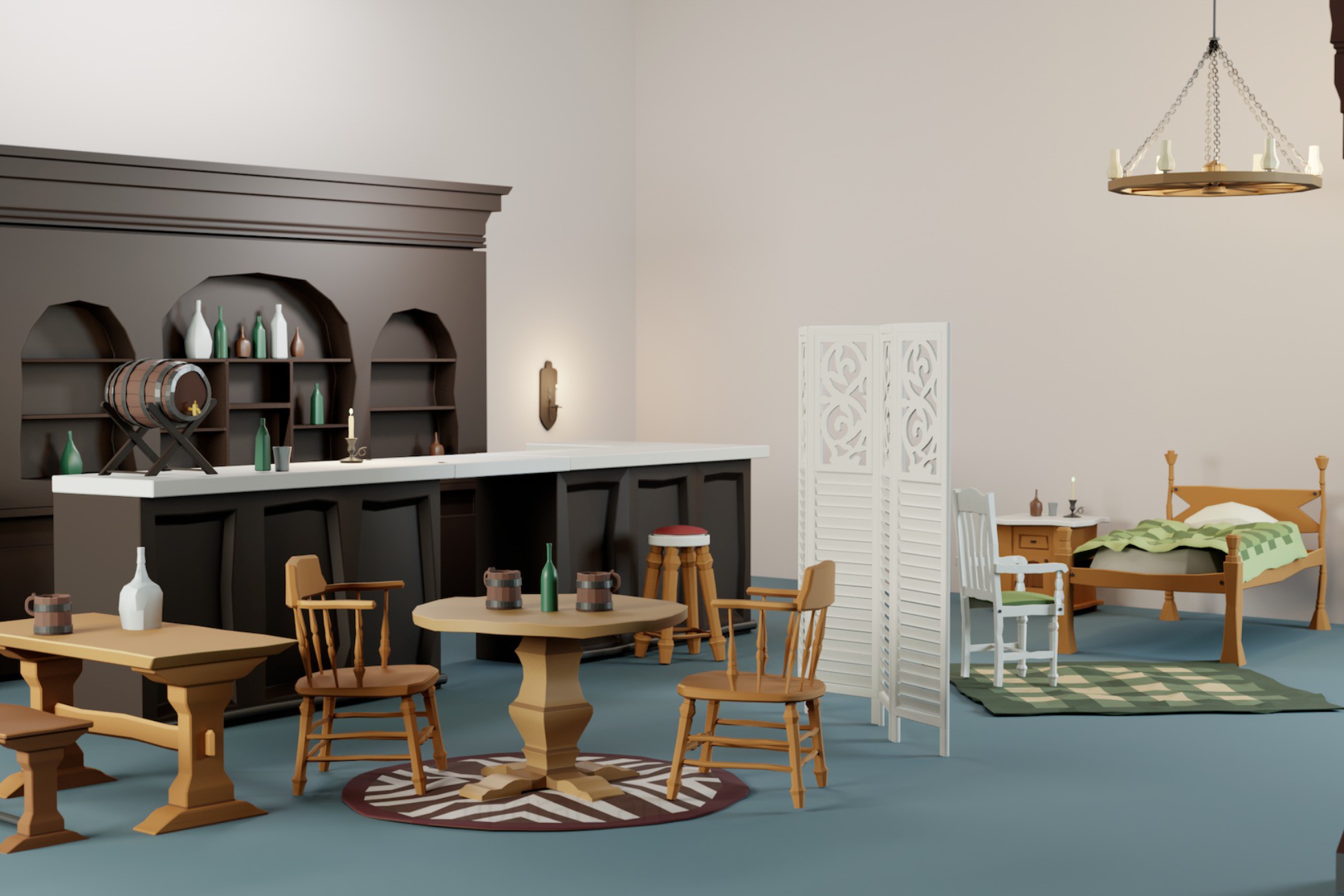
Stylized Tavern Props Pack
Furniture, drink props, lighting, and clutter for social scenes, inn routines, and lived-in fantasy interiors.
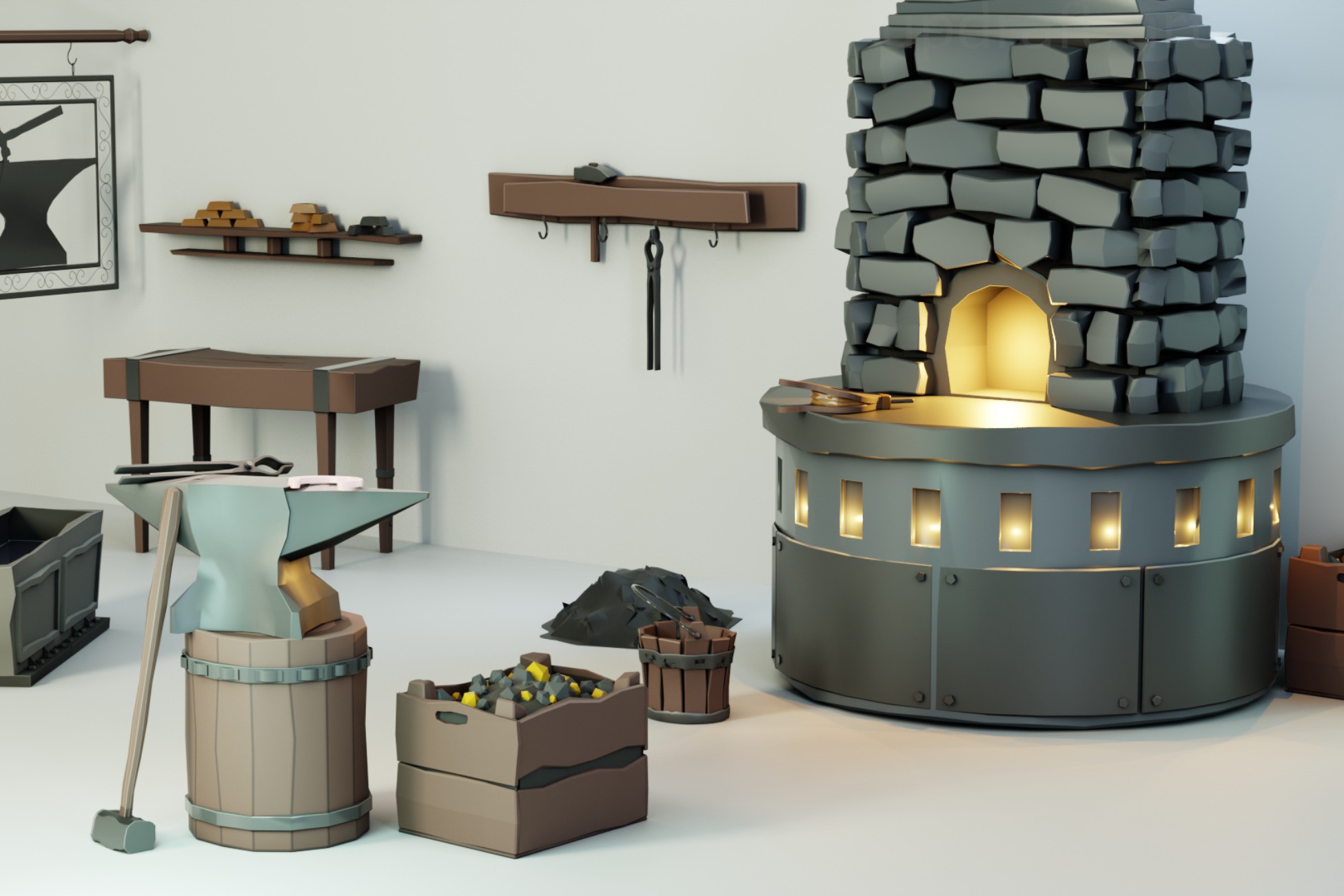
Stylized Blacksmith Props Pack
A clear craft process with forge equipment, tools, workshop details, and an animated grindstone.
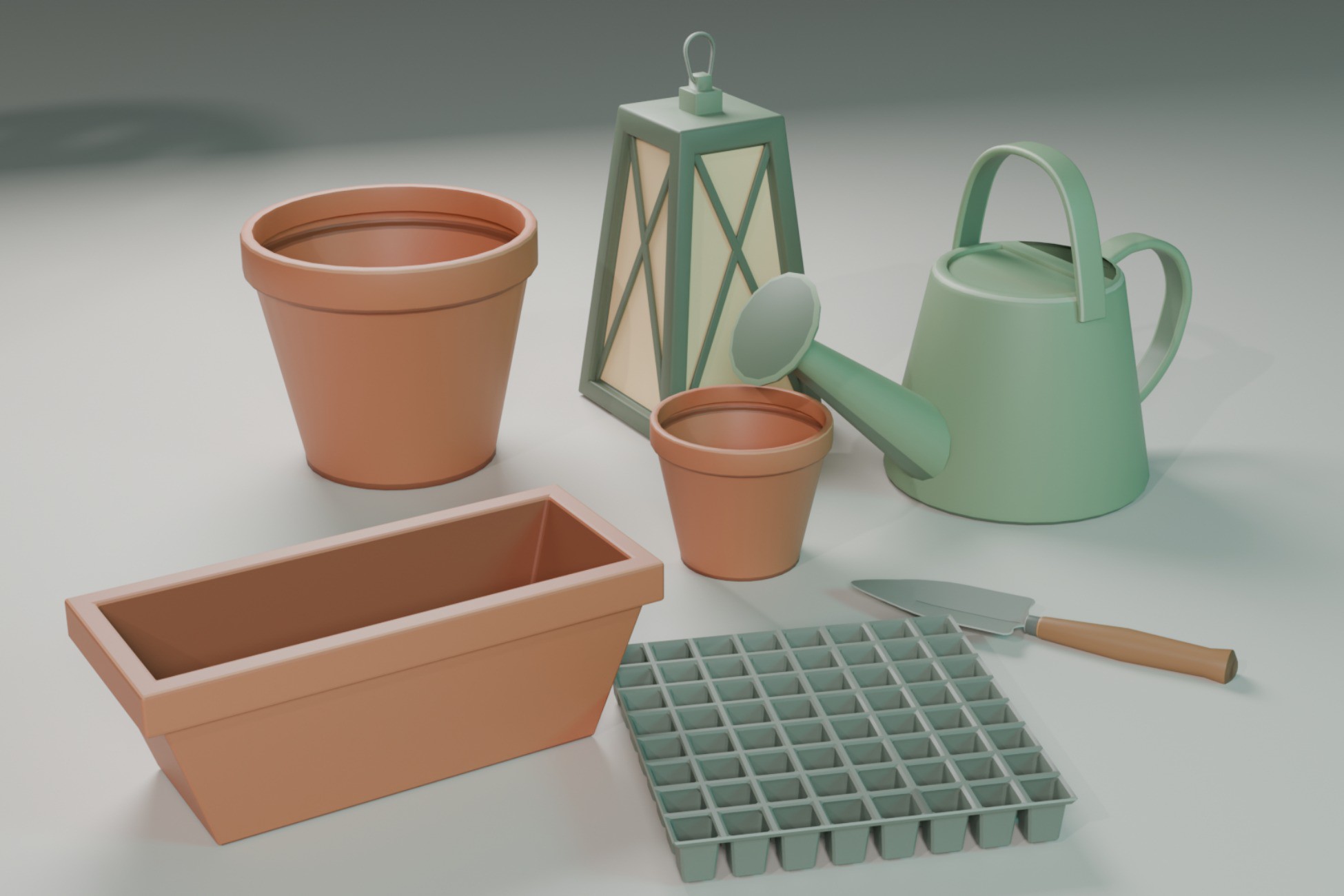
Stylized Cozy Greenhouse Props Pack
A compact gardening routine built from watering, planting, potting, and small greenhouse tools.