Medieval market assets for Unity
A market works when the player can tell the shops apart while moving
Build the street from recognizable destinations, then use signs, stock, plants, and exterior props to connect them. A pile of generic crates cannot replace shop identity.
Three jobs to cover
Build contrast first, then add common street language
Destination
Give each shop a different promise
Food stock and bread should pull the eye toward the bakery. Heat, metal, tools, and work surfaces should announce the forge. Each storefront needs its own dominant evidence.
Navigation
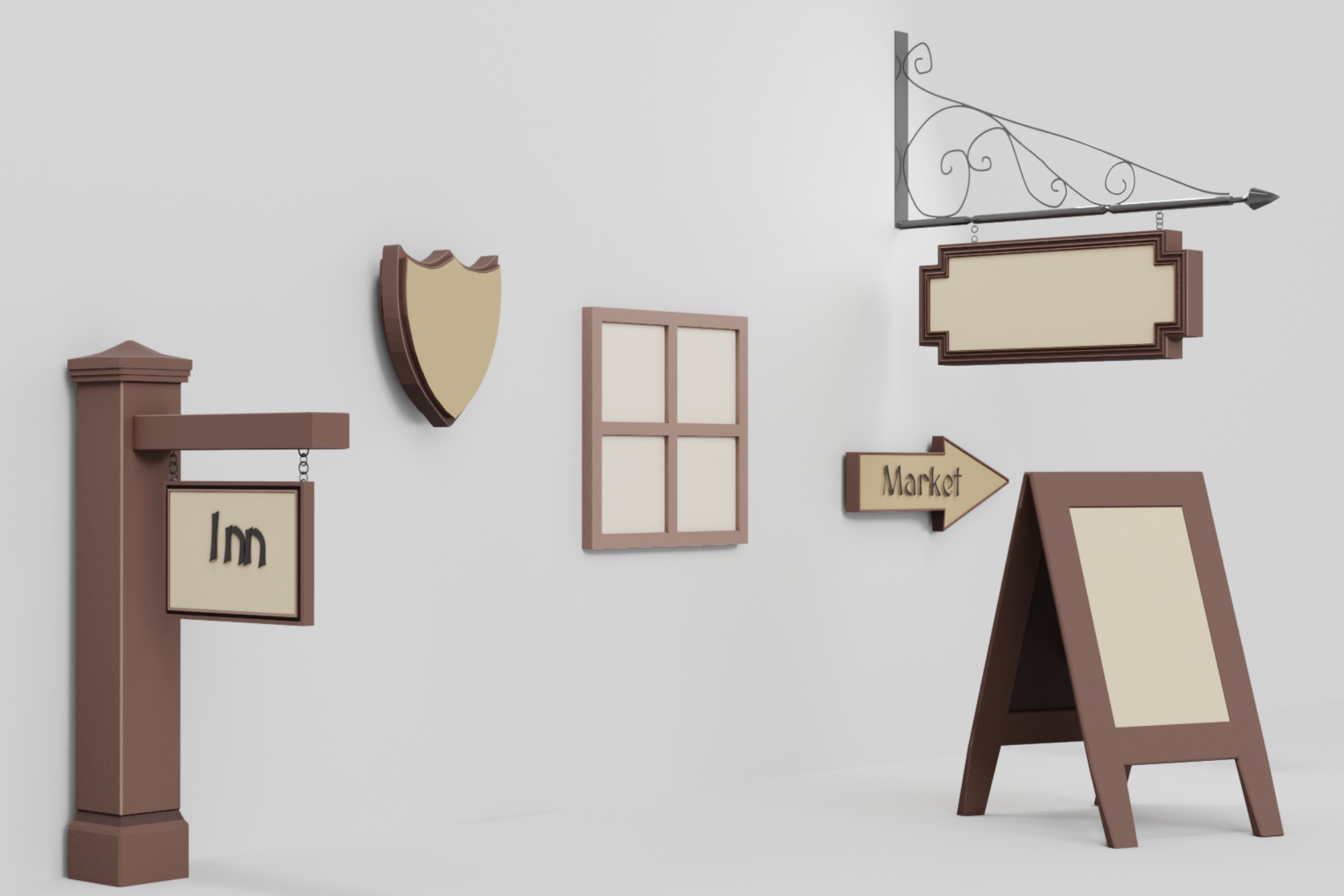
Use signs where a choice happens
Place readable signage at approaches, intersections, and clusters of similar façades. Do not cover every wall with labels just because you own a sign pack.
Connection
Share a few street materials and props
Fences, docks, planters, barrels, and repeated small dressing can make the district feel like one settlement without making every shop identical.
Market destinations
Build the stores players can recognize from the street

Stylized Bakery Props – Bread, Pastry & Medieval Shop Assets
Bread stock, counters, prep props, sacks, and shop furniture for a food storefront with immediate visual identity.
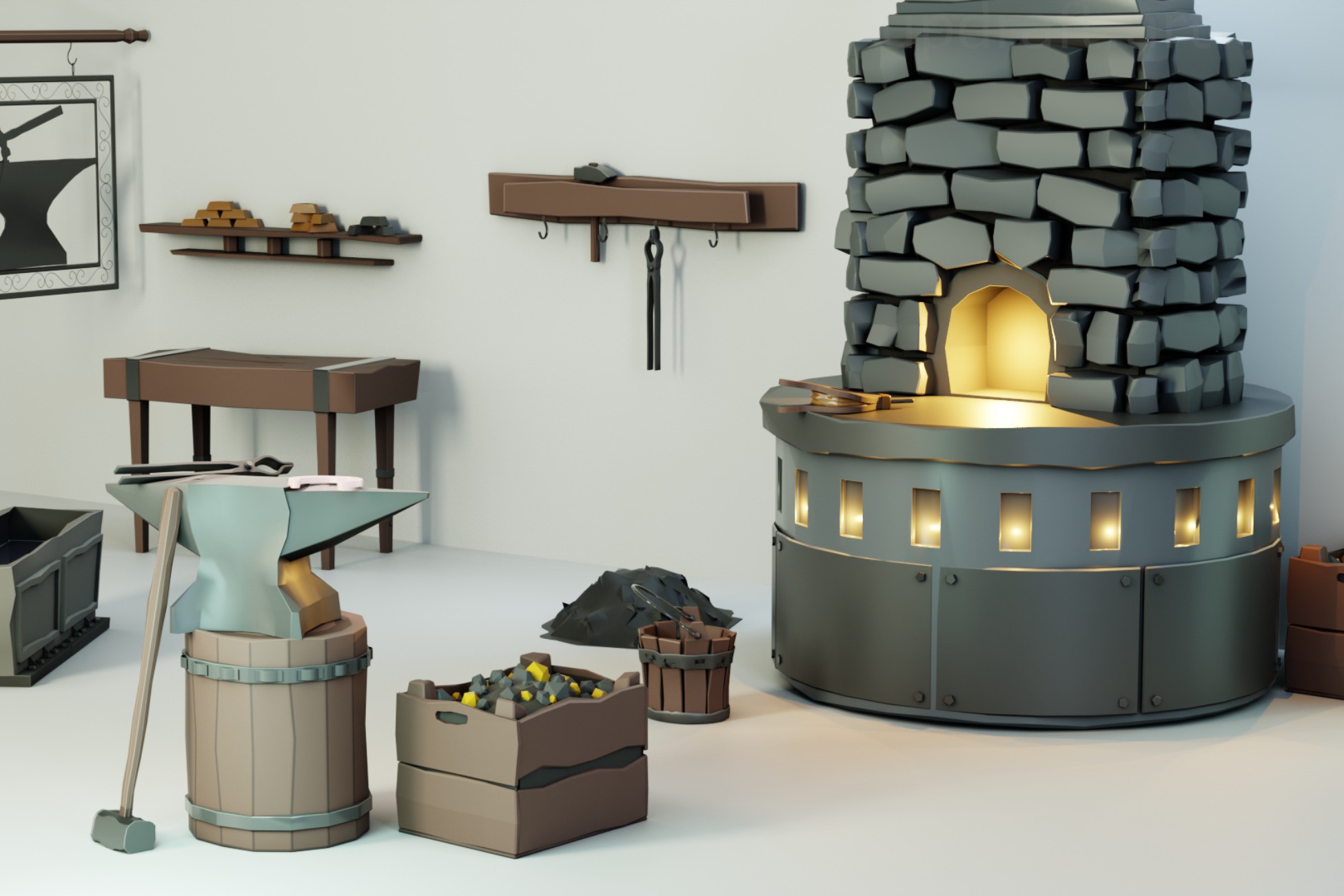
Stylized Blacksmith Props Pack
Forge, anvil, tools, storage, and work props for a production-focused shop that contrasts sharply with the bakery.
Stylized Medieval Signs & Notice Boards
Shop signs and notice boards to reinforce service identity and make intersections easier to parse.
Street context
Connect the shops without turning the street into filler
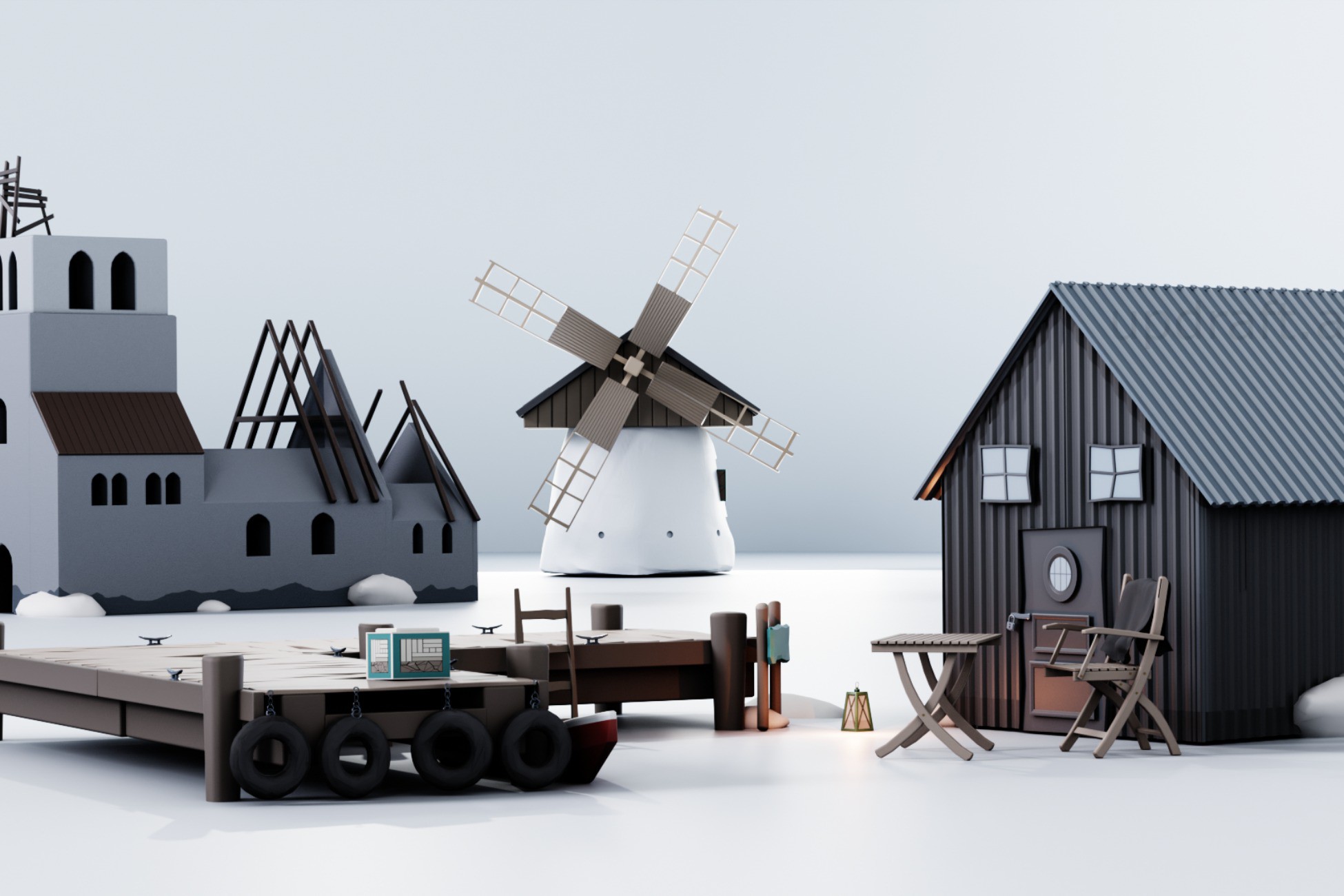
Stylized Viking Coast Village Kit
Village, dock, shoreline, and exterior pieces for a larger settlement around the commercial district.

Stylized Garden Plants & Flowers - Cozy Greenhouse Add-On
Plants and garden dressing for softer edges, planters, yards, and transitions between built storefronts.