RPG hub design
A good hub gets easier to use every time the player comes back.
Put the services on memorable routes, give each destination a distinct visual promise, and make the return trip shorter than the first exploration.
The hub is not a museum. It is a place the player will use repeatedly.
Start by listing the jobs the hub performs: rest, trade, craft, accept quests, upgrade gear, travel, store items, or meet important characters. Then build the spatial plan around the frequency and importance of those jobs.
The environment art should help the player recognize a destination before they need to read a label.
Hub planning
Design the repeated visit first
The first visit can be exploratory. The tenth visit should feel almost automatic.
Put the highest-frequency service near the arrival path
The player should not cross the entire settlement every time they need the thing they use most often.
Give each service a different silhouette and prop language
Forge smoke and tools, bakery displays, tavern seating, and shop signs should make destinations identifiable before text appears.
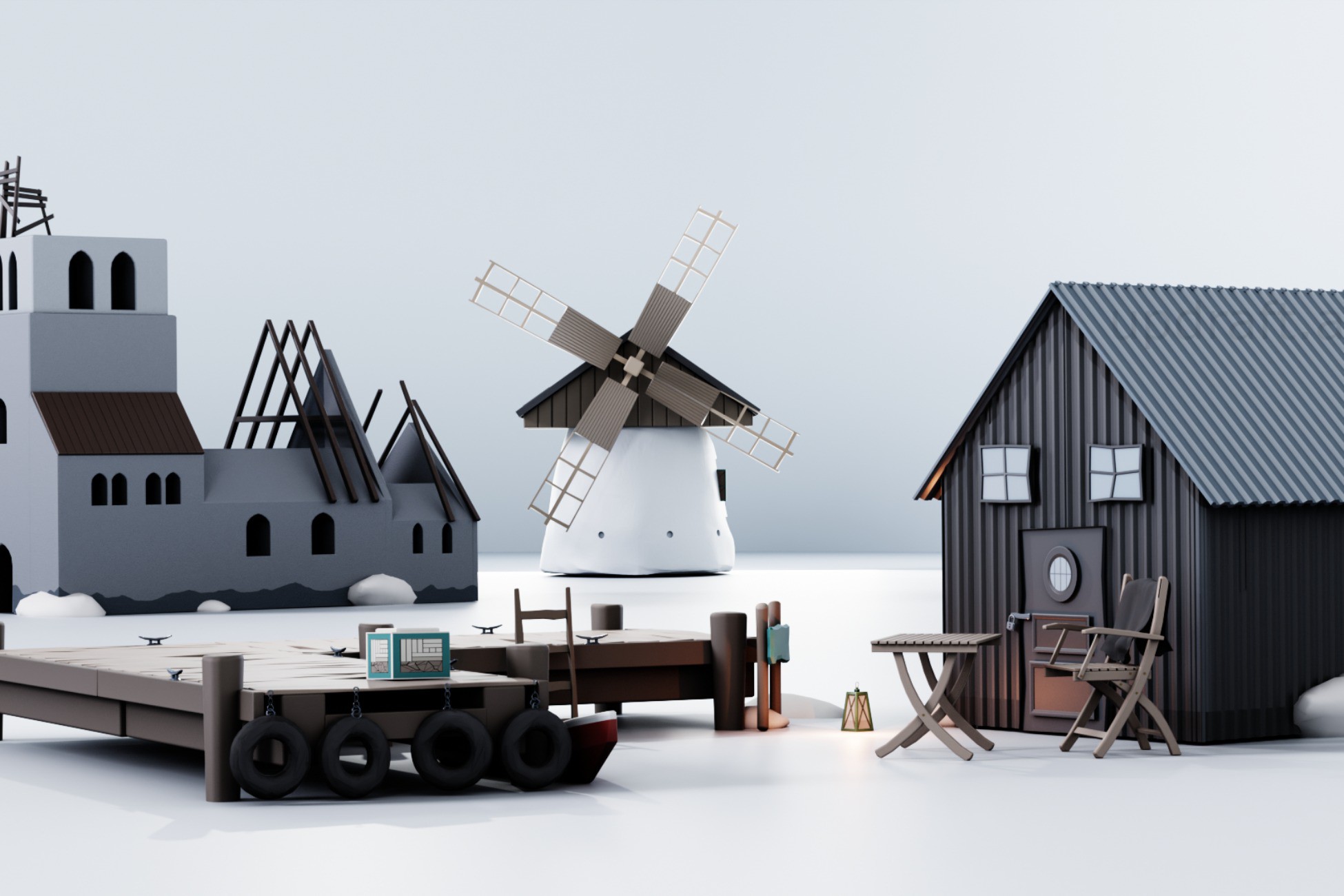
Create one landmark that recenters the player
A tower, windmill, square, dock, statue, or large tree can anchor the mental map when side streets become confusing.
Build a short loop instead of a long corridor
Let the player move between common services without constantly backtracking through the same choke point.
Reserve detail for places the player stops
Spend clutter, lighting, and storytelling props around vendors, crafting stations, quest spaces, and social corners. Keep transit routes visually quieter.
Service identity
The forge should announce its function before the player reaches the anvil
A hub becomes easier to learn when each service uses a distinct visual vocabulary. Do not rely on a floating icon to tell the player that one generic room is the blacksmith and the next generic room is the bakery.
Heat, tools, metalworking props, and a clear workstation create a destination with a specific job.
Wayfinding
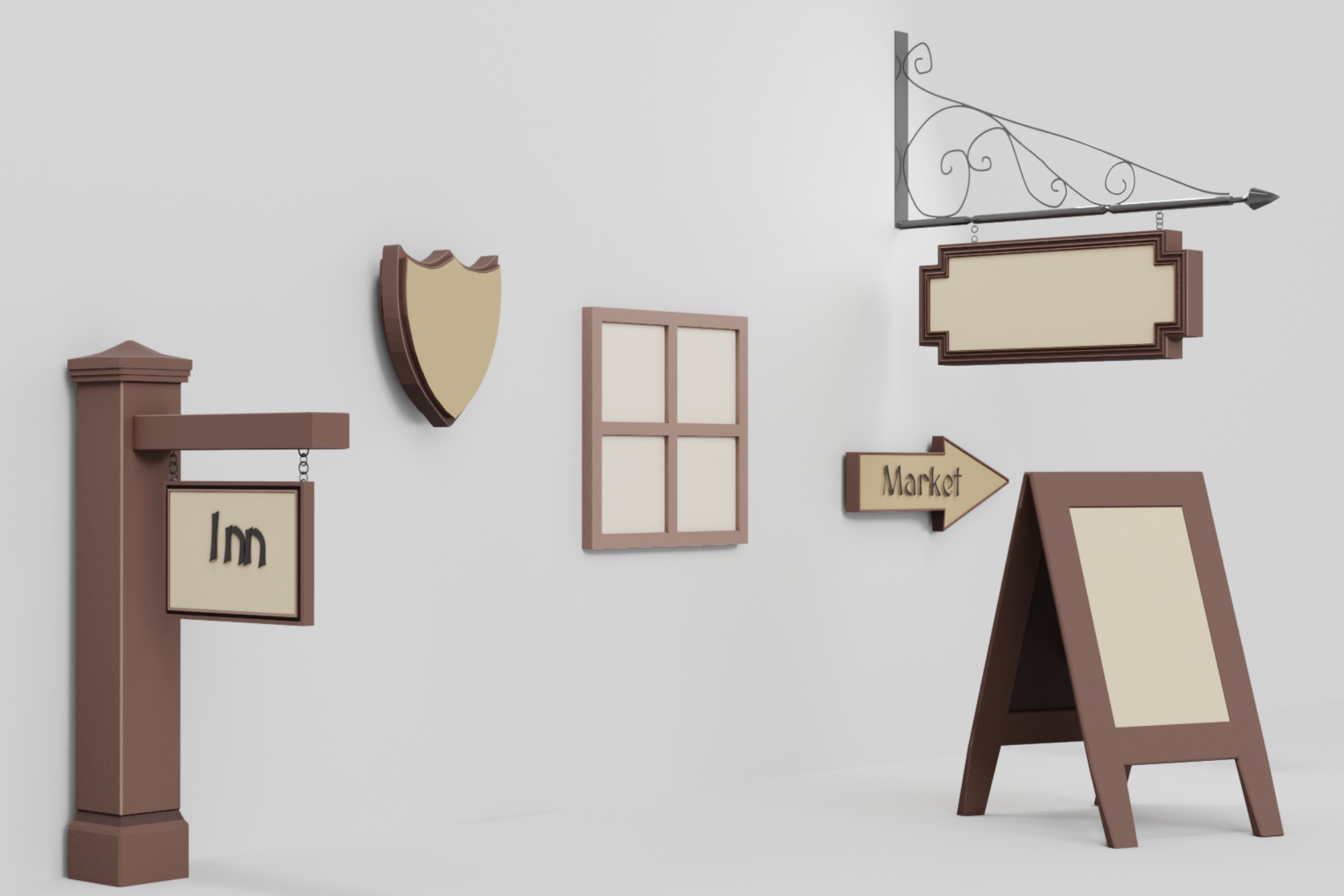
Signs work best after the street hierarchy already makes sense
Give main routes wider openings, stronger lighting, clearer sightlines, or landmark views. Then let signs handle shop identity, notice boards, small forks, and local confirmation.
Use signs to confirm a destination or branch, not to compensate for a town where every route looks identical.
Return destination
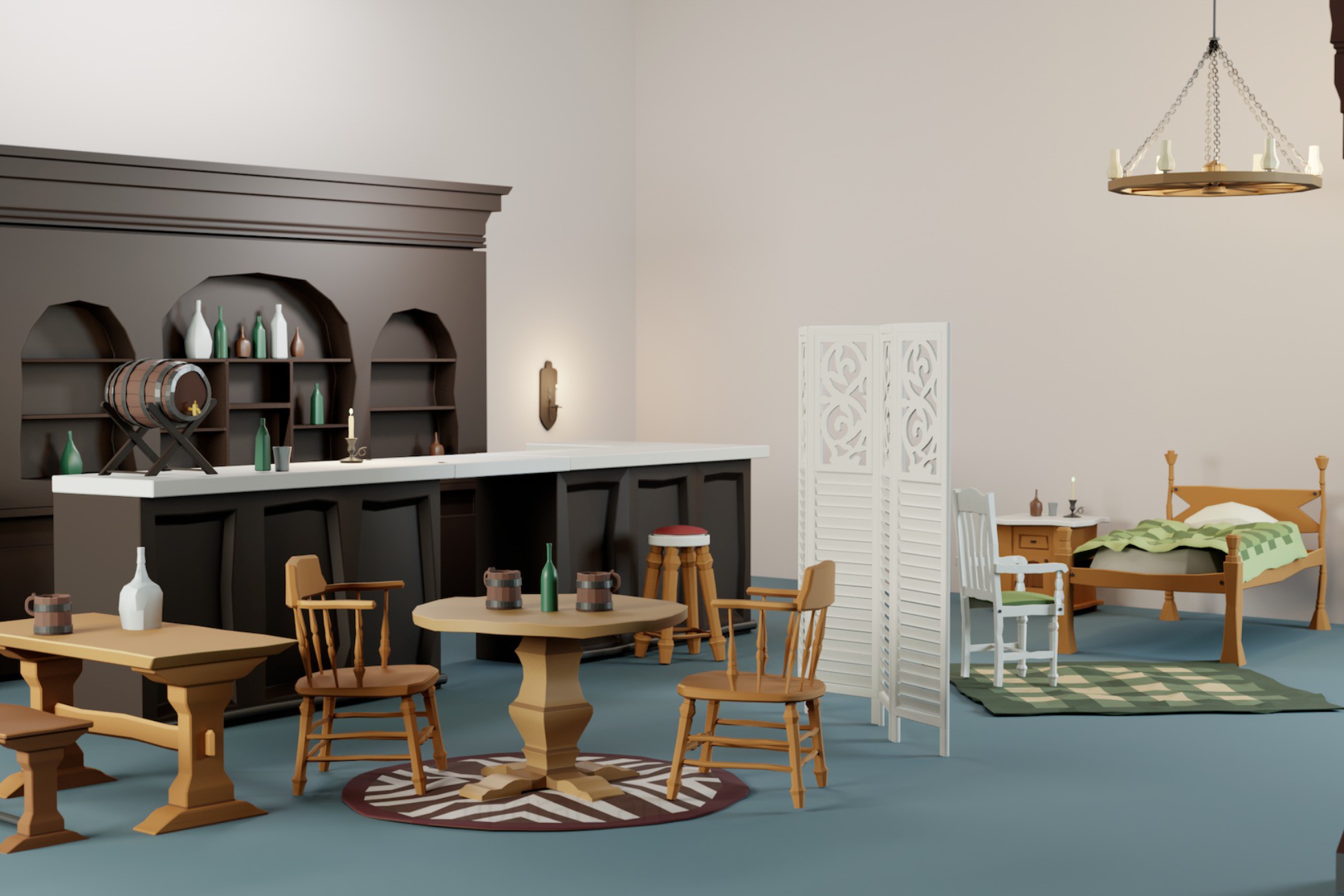
A tavern can carry several hub functions without feeling like a menu screen
Multi-use destinations are valuable when their functions belong together. The key is to create separate zones inside the room so the player can move directly to the bar, seating, notice board, or stairs without scanning every prop.
Seating, service space, an inn room, and clutter can support rest, dialogue, quests, and social encounters in one recognizable interior.
Hub destinations
Give the major services their own visual identity
Stylized Tavern Props Pack
A strong social and service interior for quests, rest, dialogue, food, drink, and inn functions.
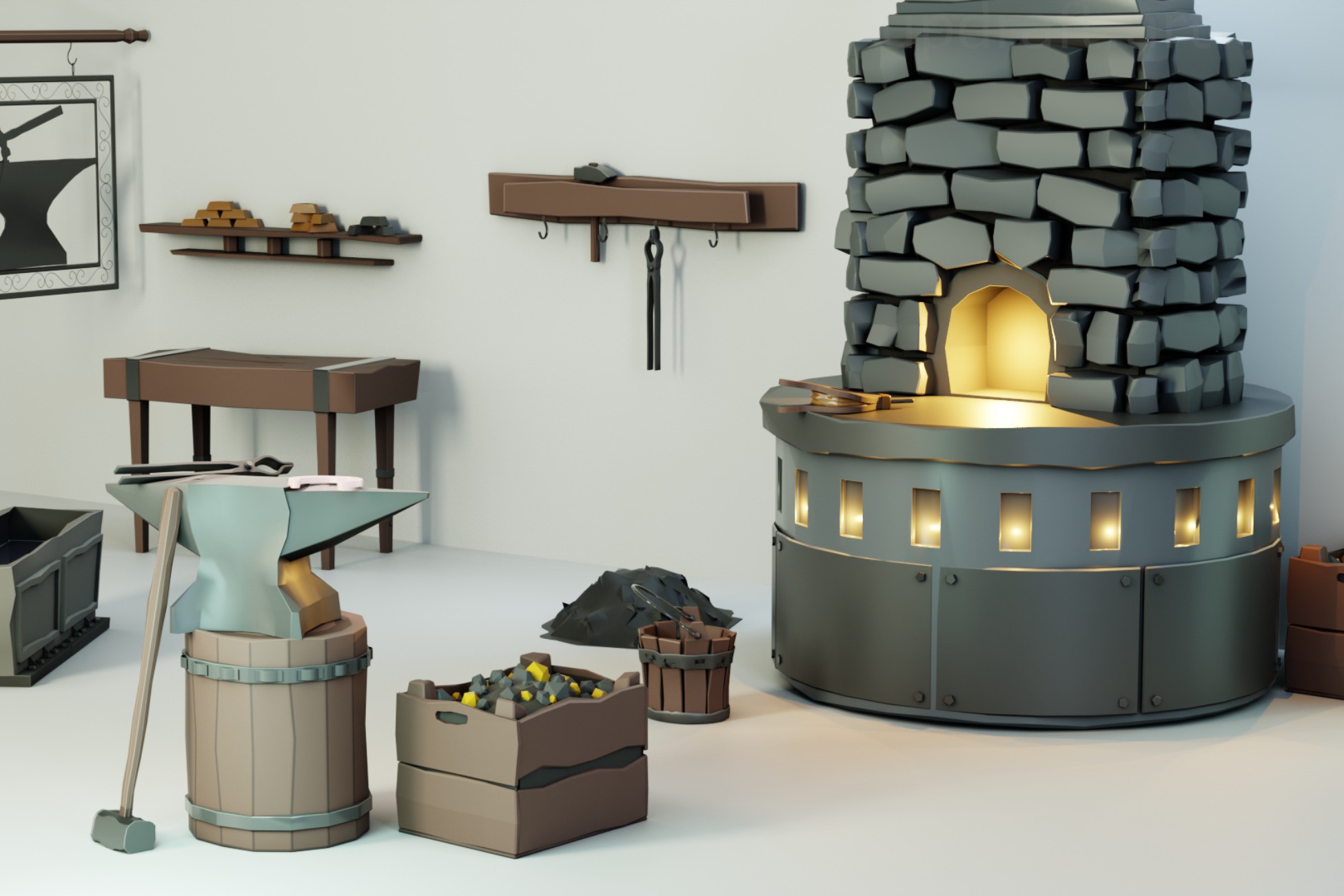
Stylized Blacksmith Props Pack
A compact crafting destination with forge equipment, tools, workshop props, and a readable job identity.
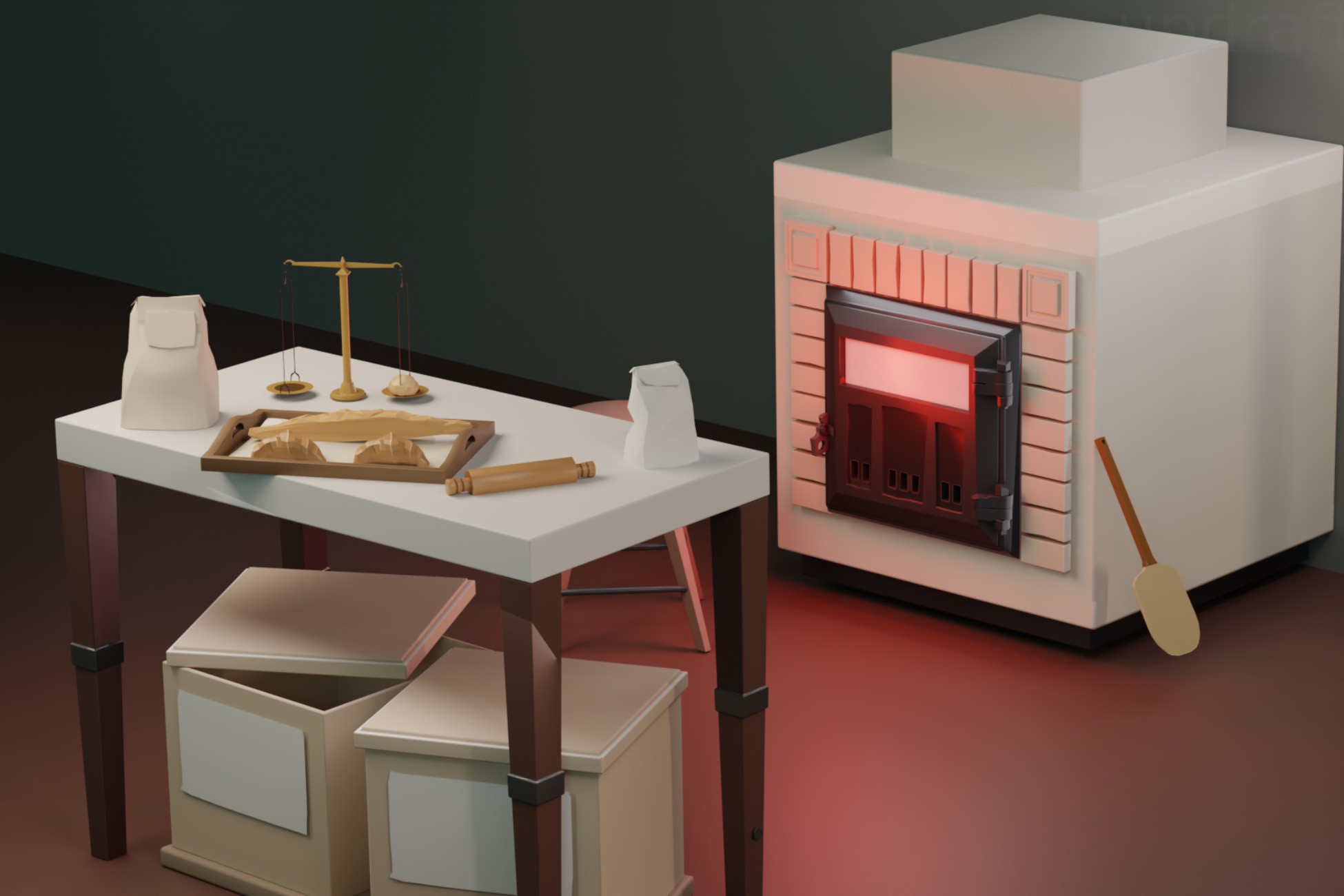
Stylized Bakery Props – Bread, Pastry & Medieval Shop Assets
A food-shop layer for market streets, vendor interiors, stock displays, and a softer commercial destination.